Wendy Neumann · 5 November 2026
Reconstructing Daily Experiences of Early Industrial Workers Through Archival Sources
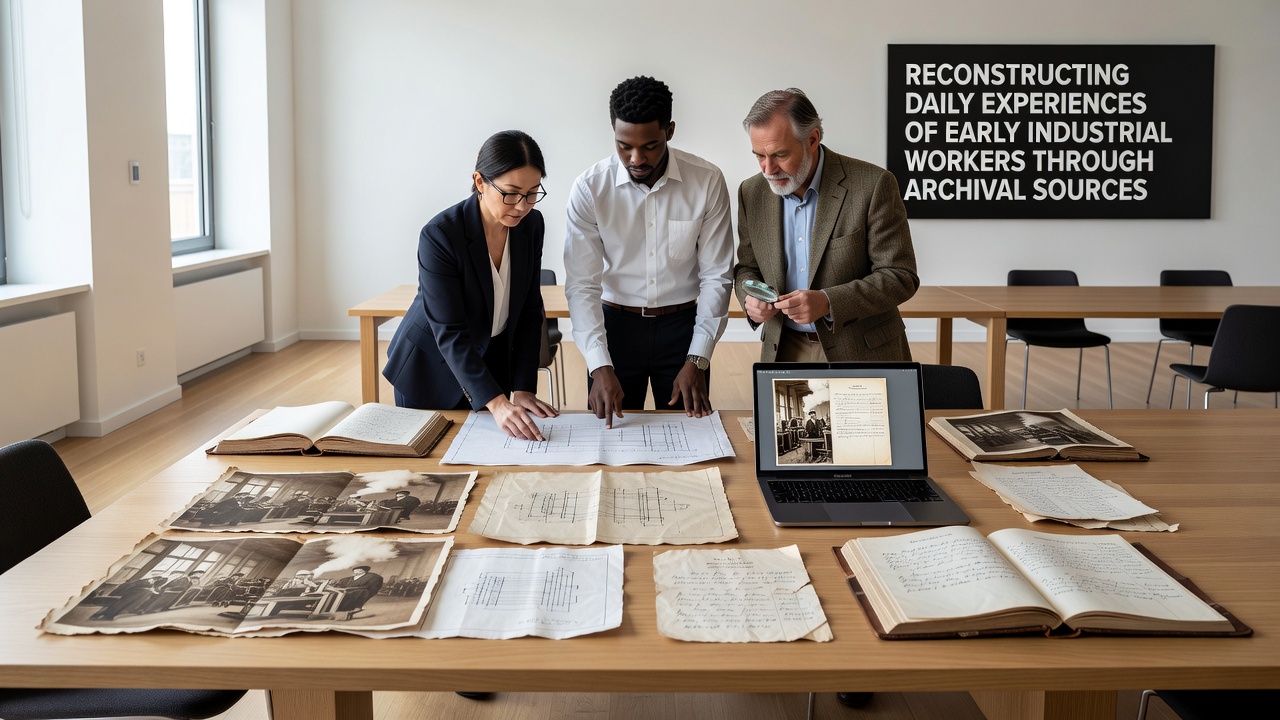
Archival materials offer researchers detailed glimpses into the routines, challenges, and social structures that shaped the lives of early industrial workers during the late eighteenth and nineteenth centuries. Payroll ledgers, time books, and company correspondence reveal shift patterns that often stretched twelve hours or more in textile mills and iron foundries, while census returns and parish registers track family compositions and migration patterns from rural areas to growing factory towns. Those who study these records note how wage deductions for rent and tools appear consistently across multiple sites, painting a picture of limited disposable income and tight household budgeting.
Employment Records and Daily Routines
Factory time books preserved in regional collections document the precise hours workers clocked in and out, including notations for machine breakdowns that extended shifts into the night. These entries, cross-referenced with accident reports filed with local magistrates, show how repetitive tasks around power looms or blast furnaces created predictable injury patterns, particularly among younger operatives. Observers note that overtime entries spike during seasonal demand surges, indicating how production quotas directly influenced rest periods and meal breaks recorded in the same ledgers.
Researchers have examined correspondence between overseers and mill owners to trace disciplinary practices, such as fines for tardiness or damaged materials, which appear alongside worker petitions requesting adjustments to piece rates. These exchanges demonstrate the negotiation processes that occurred within rigid hierarchies, and data from multiple firms reveal that skilled male workers retained slightly more leverage in these discussions than the women and children listed in the same documents.
Personal Correspondence and Household Perspectives
Letters exchanged between workers and relatives provide accounts of boarding arrangements, food costs, and the rhythms of Sunday rest days when churches and mutual aid societies held meetings. Collections held at institutions like the US National Archives include bundles of such missives from textile operatives in New England mill towns, detailing how remittances supported families still living in agricultural districts. Parish burial registers complement these personal writings by recording causes of death that frequently align with the occupational hazards noted in company accident logs.
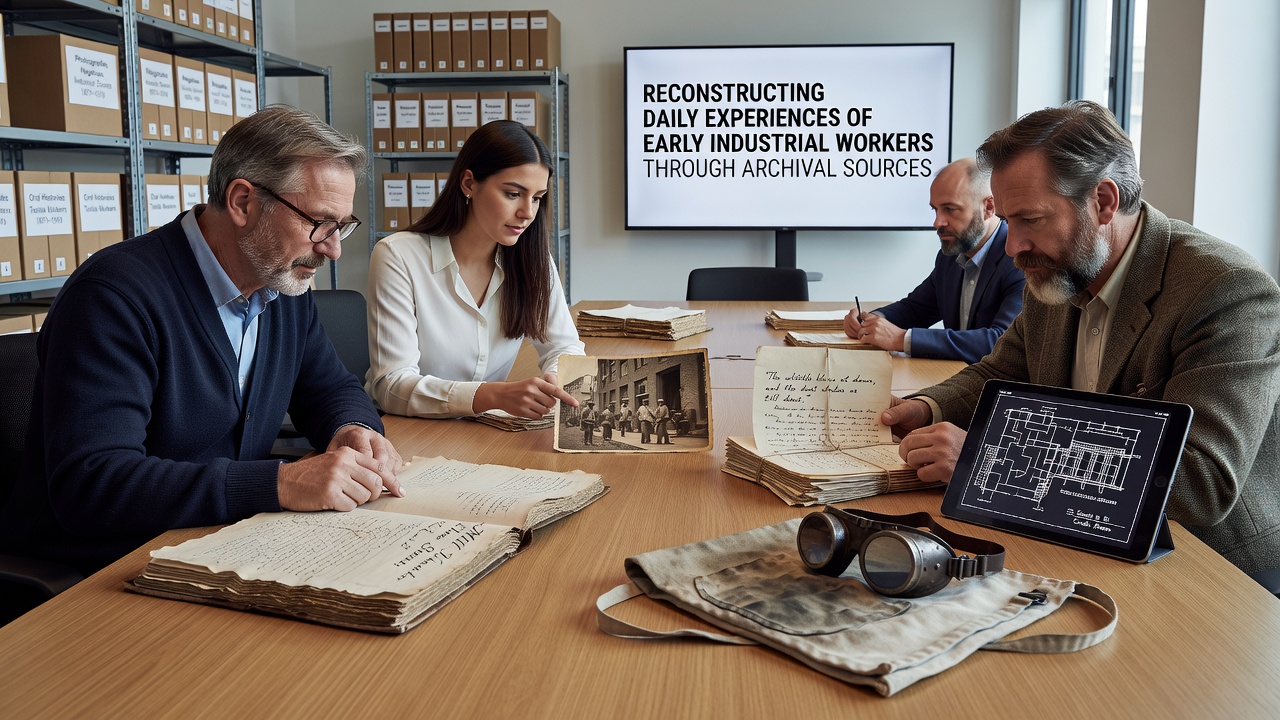
Diaries kept by a small number of literate workers survive in scattered family archives and offer sequences of daily entries that mention market prices for bread and coal alongside descriptions of machinery maintenance tasks. When these personal documents are matched against parliamentary inquiry transcripts from the 1830s and 1840s, consistent themes emerge around housing density and sanitation conditions near factory districts. Evidence suggests that seasonal illnesses noted in medical ledgers often coincided with periods of intense production, linking health outcomes directly to documented work schedules.
Official Reports and Broader Context
Government factory inspectors' reports compiled after the Factory Act of 1833 contain tabulated data on child labor hours and school attendance requirements, which researchers compare against enrollment lists from factory-sponsored schools. These official records also include maps of workplace layouts that help reconstruct the physical movement of workers between machines during a typical shift. Canadian provincial archives hold similar inspection documents from early manufacturing centers, allowing cross-regional comparisons of enforcement practices and compliance rates.
Photographic collections from the mid-nineteenth century onward add visual details of clothing, tools, and group formations at factory gates, while oral history transcripts collected decades later supply remembered accounts of apprenticeship customs and trade-specific jargon. When these varied sources are digitized and made searchable, patterns in daily consumption and leisure activities become traceable across different industrial regions.
Recent Digitization Efforts and November 2026 Developments
Projects underway at several European and North American repositories continue to expand access to previously undigitized payroll volumes and correspondence files. A coordinated release scheduled for November 2026 will place additional factory inspection ledgers online through collaborative platforms, enabling researchers to apply text-mining techniques to larger datasets. This expansion builds on earlier efforts that already linked wage records with vital statistics, revealing how mobility between firms correlated with family formation events recorded in church documents.
Analysts working with these expanding collections emphasize the importance of cross-referencing multiple record types to account for gaps, such as missing entries for workers who changed employers without formal notice. The combined evidence from employment files, personal letters, and official reports continues to refine understandings of how industrial labor structured time, family life, and community interactions during this period.
Conclusion
Archival sources ranging from time books to inspector reports supply the raw material for reconstructing the daily experiences of early industrial workers with increasing precision. Ongoing digitization initiatives scheduled to advance further in November 2026 promise additional layers of detail that connect individual routines to larger economic and social patterns. Researchers continue to refine methods for integrating these disparate documents, yielding clearer accounts of work, household management, and community life in the industrial era.